Insight
Why does coffee smell better than it tastes sometimes? The science behind aroma
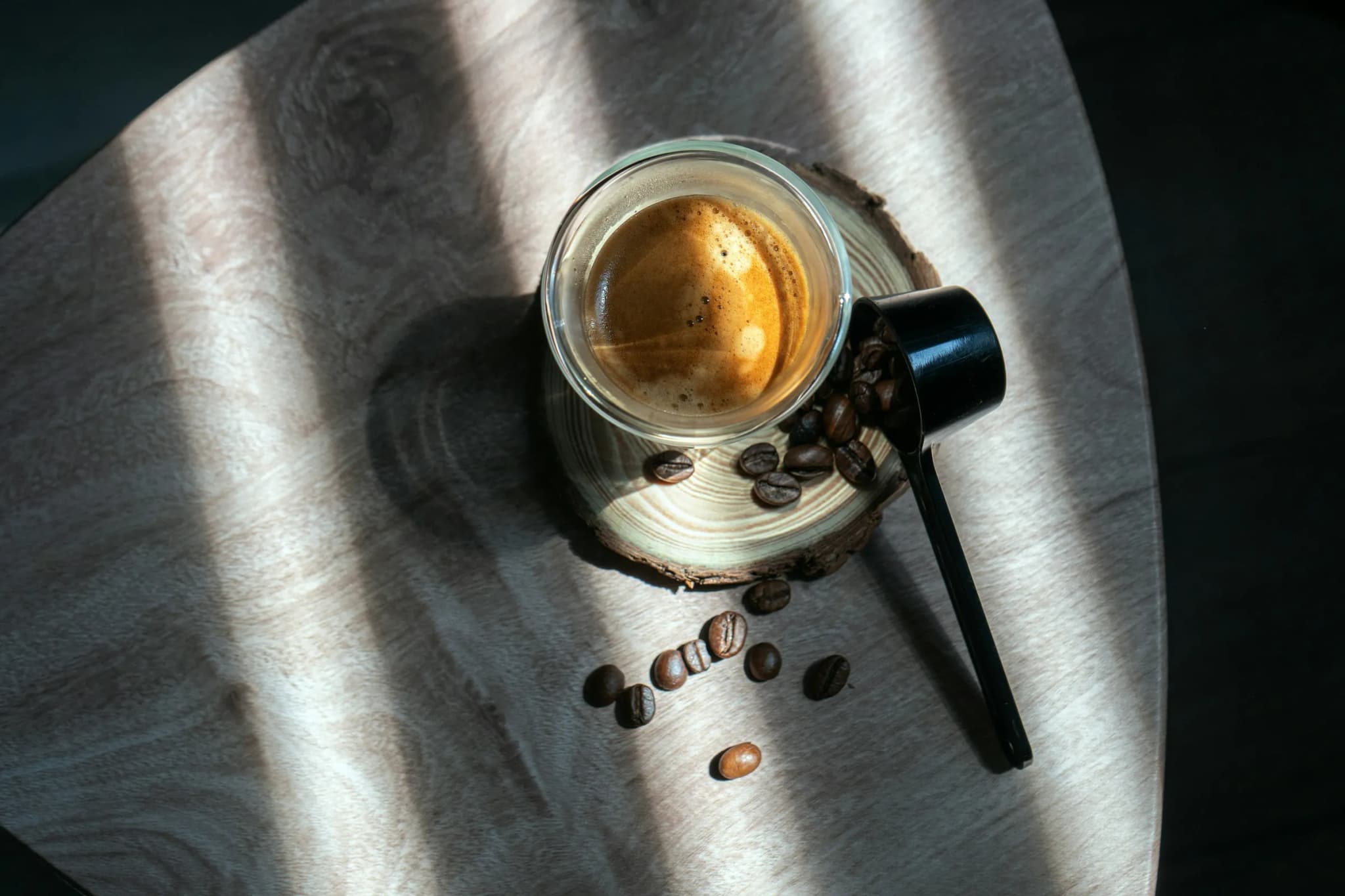
Coffee often smells richer, sweeter and more complex than it ends up tasting. That's because smell and taste are two separate systems: your nose can distinguish hundreds of aroma compounds in coffee, while your tongue only recognises five basic tastes, including bitter and sour, two tastes that are strongly present in coffee. The result is that the promise of the aroma isn't always delivered by the taste.
Smelling and tasting: two separate systems
What we call "taste" is actually a combination of two senses. Your tongue registers only five basic tastes via taste buds: sweet, sour, salty, bitter and umami. Your nose, on the other hand, can distinguish thousands of different odour molecules, and does so in two ways: orthonasally (when you smell coffee before drinking) and retronasally (when aroma rises to your nose via the back of your throat as you swallow).
When you smell a cup of coffee, you experience those aromas purely, without taste buds getting in the way. Once you drink, that smell mixes with the taste signals from your tongue, and those can considerably overshadow the subtlety of the aroma.
Why does coffee smell so good?
Coffee is one of the most aromatic drinks in the world: research counts more than 800 different volatile aroma compounds in roasted coffee, formed during roasting through the Maillard reaction and caramelisation. These compounds give coffee aroma notes ranging from chocolate and nuts to floral, fruity or even spiced. By comparison, wine is estimated to contain a few hundred, and most other foods considerably fewer.
Why does coffee sometimes taste worse than it smells?
While your nose picks up on hundreds of aroma nuances, your tongue mainly registers two dominant tastes in coffee: bitterness (from, among other things, caffeine and chlorogenic acids) and acidity (from, among other things, citric acid and malic acid). These tastes are intense and can effectively "drown out" the more subtle aroma notes on your tongue, even though your nose had picked up on them just fine.
On top of that, temperature and freshness play a role too. Volatile aroma compounds evaporate faster at higher temperatures, which is why a cup of coffee smells strongest right after brewing, but those same aroma compounds also break down quickly as coffee cools or is exposed to air for longer. The aroma quite literally fades faster than the taste changes.
How to bridge the gap between smell and taste
- Use freshly ground coffee. Aroma compounds evaporate quickly after grinding; the shorter the time between grinding and brewing, the closer the taste stays to the aroma.
- Pay attention to brewing temperature. Water between 90-96°C draws out the aroma compounds optimally, without over-extracting bitterness.
- Choose a high-quality, freshly roasted coffee. The fresher the roast, the more intact the aroma compounds, and the smaller the gap between smell and taste.
- Taste slowly and let the coffee cool to drinking temperature first. With a cup that's too hot, bitterness dominates; at the right temperature, the aroma notes come through better.
FAQ about coffee aroma
Why does coffee smell better than it tastes? Because your nose can distinguish hundreds of aroma compounds, while your tongue only registers five basic tastes, including bitter and sour, which are dominant in coffee and can overshadow more subtle aromas.
How many aroma compounds are in coffee? Research counts more than 800 different volatile aroma compounds in roasted coffee, formed during the roasting process.
Why does coffee taste more bitter than it smells? Bitterness comes from compounds such as caffeine and chlorogenic acids, which are picked up strongly by taste buds but contribute very little to the aroma your nose perceives.
How can you make coffee taste closer to how it smells? Use freshly ground, quality coffee, brew with water between 90-96°C, and let the coffee cool slightly before tasting.
Want to experience the difference between smell and taste for yourself? Discover our freshly roasted coffee and taste how close aroma and flavour can come together.