Insight
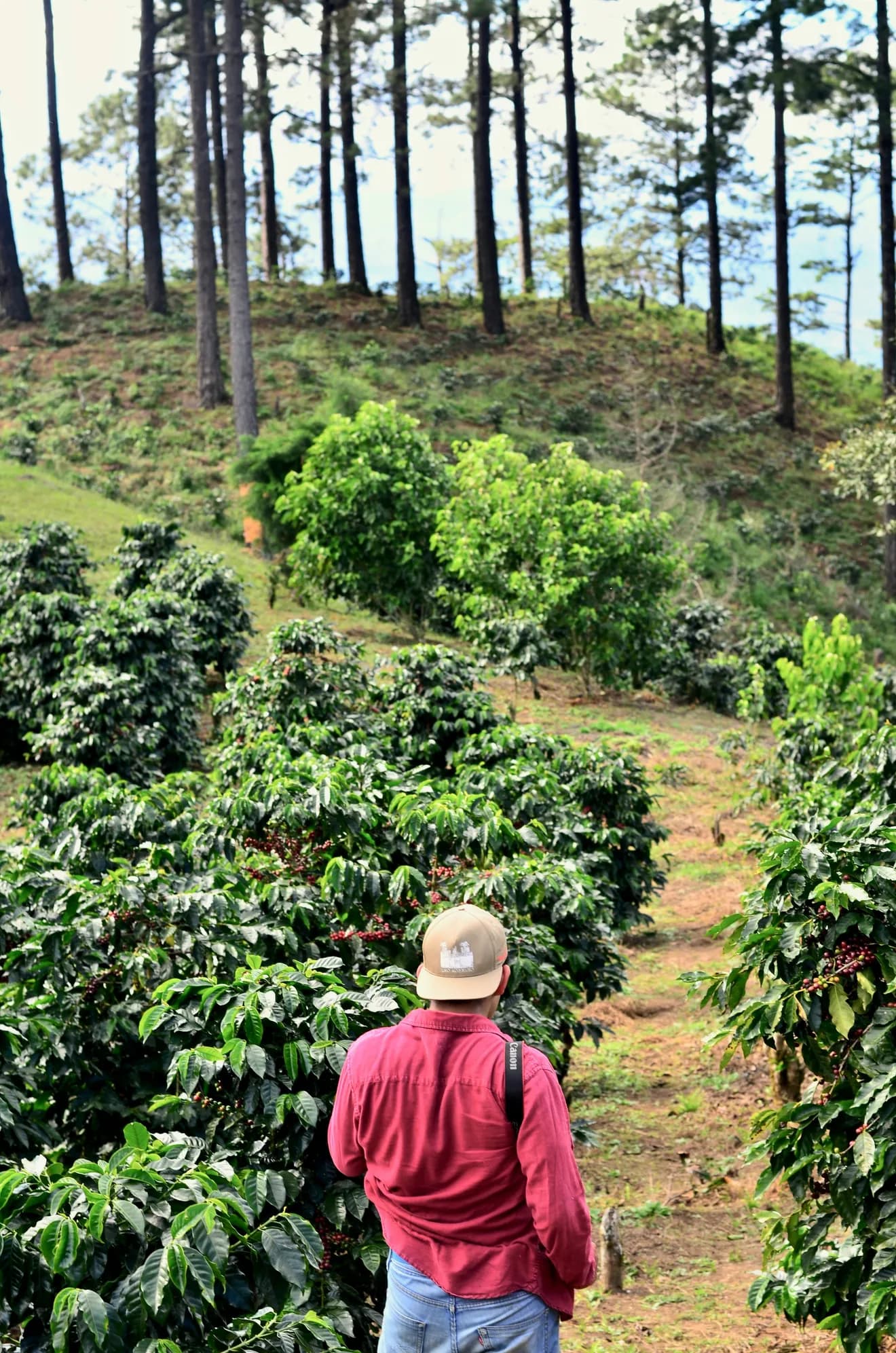
A day in the life of a coffee farmer in Guatemala at 2,000 meters above sea level.
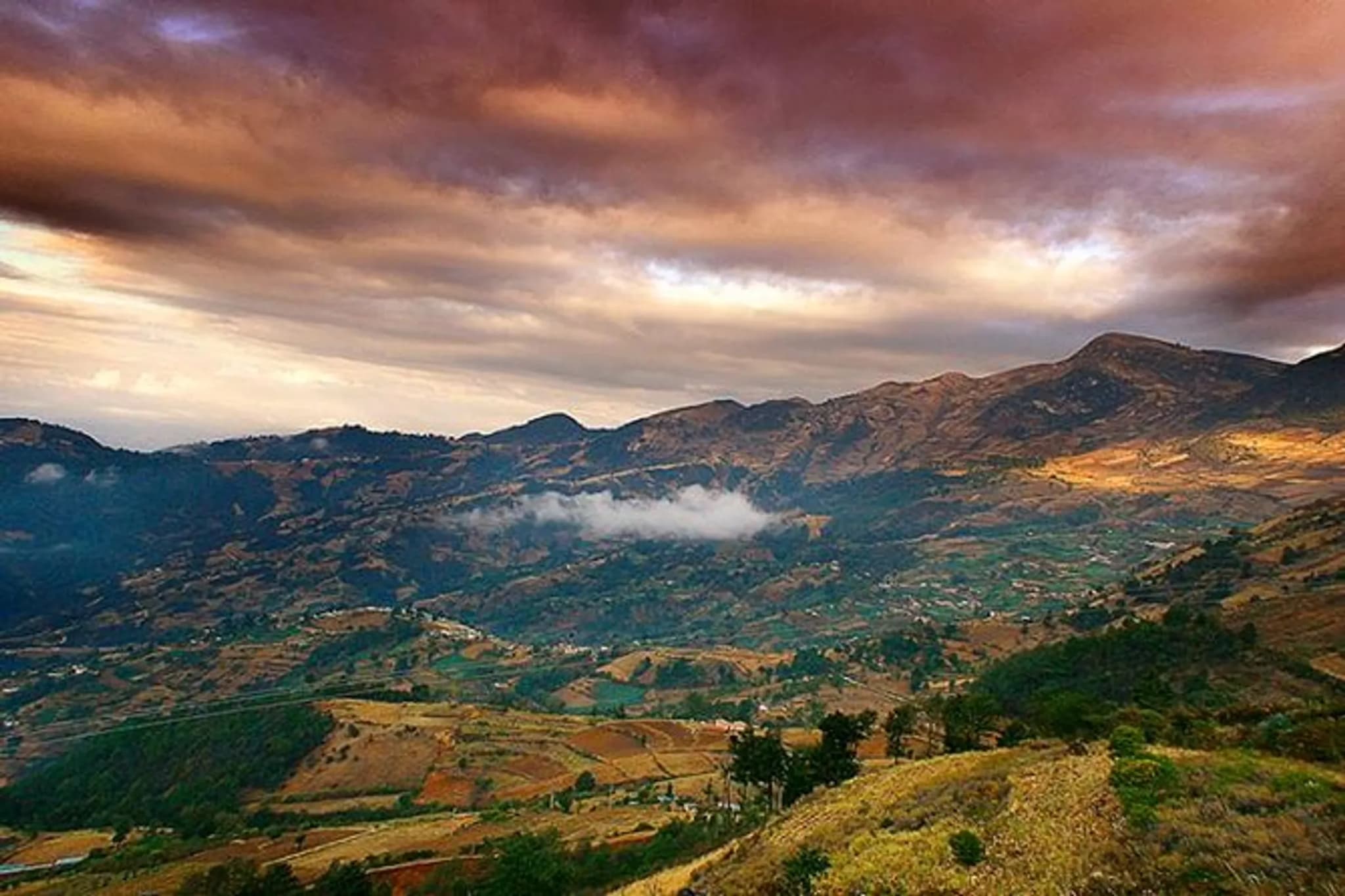
Somewhere in the mountains of Huehuetenango, Guatemala, the day begins before yours does
At 5 a.m., it is still dark. But on a coffee farm at 2,000 meters altitude, work doesn't wait for the first light of day. First, coffee of course. Not from an expensive machine. Simply, over the fire. Strong, black, quick.
Then, out into the fields.
The slopes of Huehuetenango are high and dry, protected by warm winds from Mexico. That wind is no detail, it is the reason why coffee grows so high here, and ripens so slowly. Slow ripening means more flavor. More flavor means a better cup.
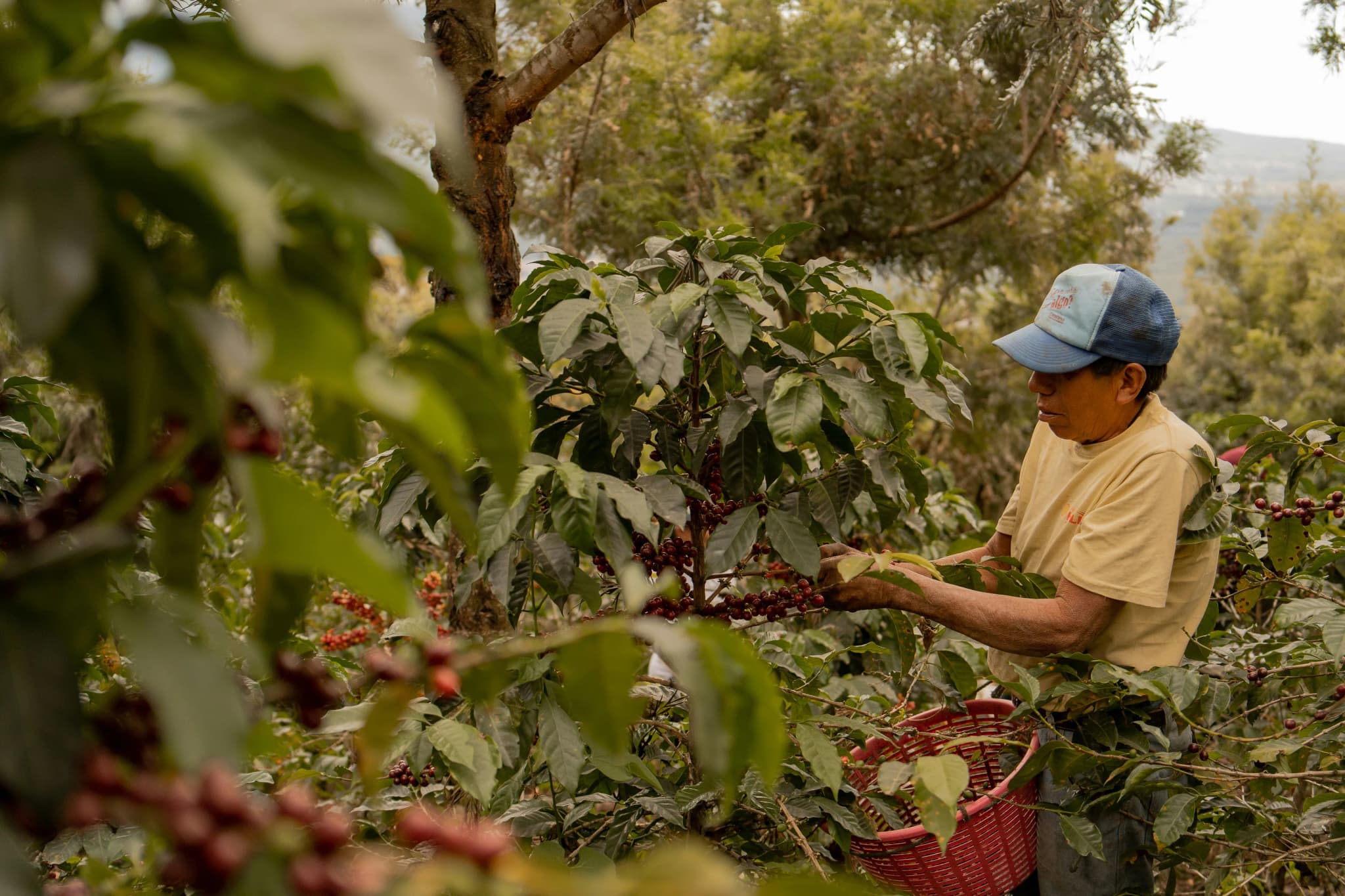
Picking is manual work. Cherry by cherry, row by row. Many farmers in Huehuetenango still use traditional methods and pick everything by hand. That sounds romantic. It's mainly hard work. Back pain, sun, repetition. But also: knowing exactly when a cherry is ripe enough. No book can teach you that. You learn it after years of experience and tasting coffee.
By midday, the picked cherries are ready for processing. Because Huehuetenango is so remote, most farmers process the coffee themselves. Washing, drying on patios in the sun, checking. The weather conditions also influence the final taste.
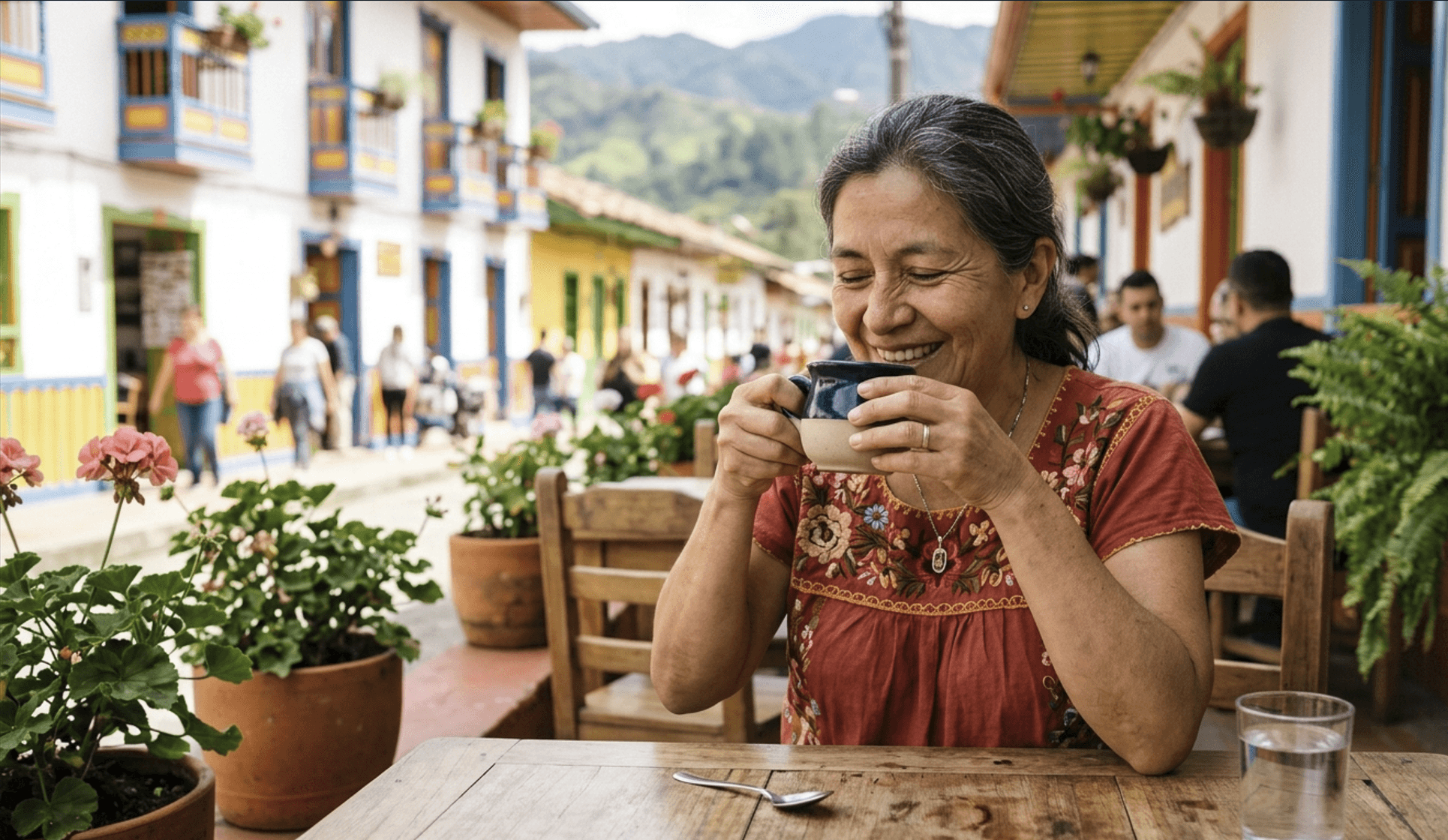
What makes a coffee farmer happy? Probably not one big moment. More likely small things. A good harvest. Rain at the right time. Children helping out. And somewhere, far away, someone drinking their coffee and pausing, just for a moment.
That moment, that’s you.